Winning a Low-Information Local Election: 15 Priorities
In low-information races, most voters know little about the candidates, turnout is low, and name recognition and trust decide the outcome. The campaign that is seen most often, and seen as credible, usually wins.
- Build name recognition first. Repeat your name and face everywhere; familiarity is the main voting cue when voters know little.
- Knock on doors. Personal contact is the highest-yield tactic in local races, and each conversation can move several votes in a household.
- Pick three simple priorities. Voters won’t absorb a long platform, so tie each priority to a local issue they already feel, such as taxes, traffic, or development.
- Use a clear, repeated slogan. One short line on every sign, flyer, and post builds recall.
- Place lawn signs on high-traffic routes. Signs signal viability and build name recognition; prioritize busy intersections and willing supporters over scattered coverage.
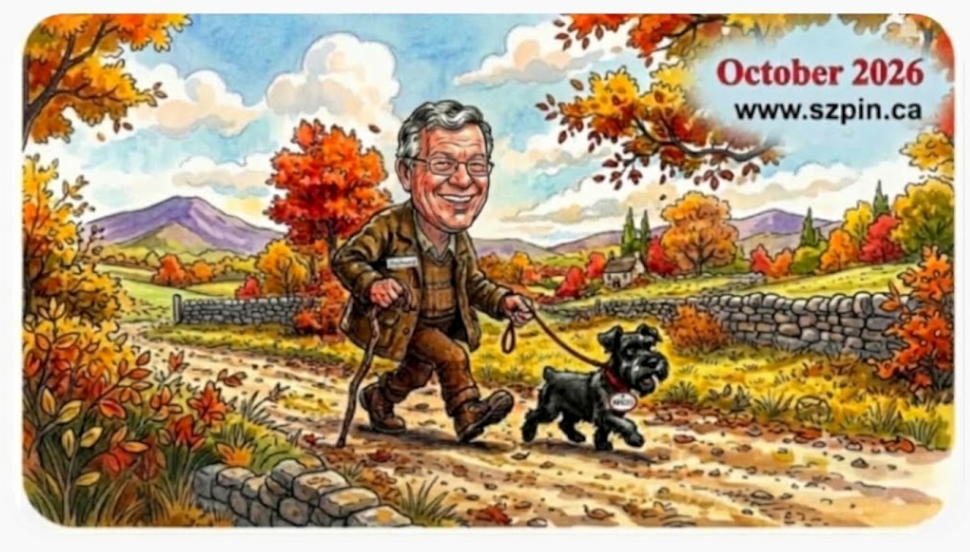
- Mail or drop a professional flyer. Include a clear photo, your three priorities, your ballot name, and the voting date and location.
- Show your local roots. State how long you’ve lived, worked, or volunteered in the community, because credibility beats policy detail with uninformed voters.
- Collect endorsements. Trusted local names (community leaders, business owners, former officials) act as shortcuts for voters who don’t know you.
- Show up at community events. Attend farmers’ markets, service clubs, seniors’ groups, and local sports to meet voters where they already gather.
- Attend all-candidates meetings. Prepare short, concrete answers and avoid attacking opponents.
- Earn local media coverage. Send short releases and offer yourself as a quotable source on local issues to community papers, radio, and news sites.
- Run a simple social media presence. Post regularly on local community groups with short videos and photos, and respond to comments promptly.
- Identify and track supporters. Record friendly voters from canvassing and phone calls so you can contact them again before voting day.
- Focus on high-turnout voters. Older residents vote most reliably, so direct your time and money to them first.
- Run a strong get-out-the-vote push. In the final days, remind supporters of the date, hours, and polling location, and offer rides if needed; low-turnout races are decided by who actually shows up.