Overview
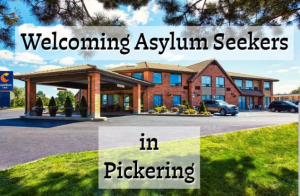
- Durham Region will convert a former hotel at 533 Kingston Rd, Pickering into a temporary reception centre for asylum claimants.
- Funded largely through the federal Interim Housing Assistance Program (IHAP).
- Designed as a short-term, structured alternative to using scattered hotel rooms.
What the Centre Is (and Isn’t)
It is:
- A temporary accommodation and support facility (up to 90 days)
- Capacity of ~250 people
- A hub for services and referrals
It is not:
- Permanent housing
- A general homeless shelter
- Outside Canadian law or oversight
Services may include:
- Settlement support
- Employment help
- Language training
- Health care access
- Housing assistance
What Was Publicly Known
- Dec 17, 2025: Council approved property acquisition and program continuation
- April 24, 2026: Specific Pickering location publicly announced
Costs (annual estimate) largely funded by fed govt:
- ~$7.1M total
- ~$5.3M federal funding
- ~$0.88M property tax levy
- ~$0.88M reserve fund
Key point:
- Program and funding were disclosed earlier
- Criticism centers on delayed local communication, not secrecy of the entire plan
Why the Federal Government Is Involved
- IHAP helps municipalities manage rising asylum claims and shelter demand
- Covers:
- Housing and food
- Transportation
- Case management
- Property acquisition/renovation
Goal: shift from expensive emergency hotels → more sustainable solutions
Who Asylum Claimants Are
- Individuals seeking refugee protection in Canada
- Often arrive with:
- Limited money
- No housing
- Few supports
Important context:
- Not fully supported like government-assisted refugees
- Early support improves:
- Integration
- Employment
- Stability
Community Impact: Best vs Worst Case
If handled well:
- Faster transition from crisis → independence
- Reduced reliance on hotels
- Better access to services
- Increased long-term community contribution
If handled poorly:
- Isolation and stigma
- Harder integration
- Increased social tension
- Fear-driven public discourse
Responsibilities & Moral Framing
- Residents can question costs, safety, and planning
- But responses should be fact-based, not fear-based
Christian perspective emphasized in text:
- Duty to:
- Welcome strangers
- Show compassion
- Uphold dignity
Balance required:
- Accountability + compassion
- Stewardship + humanity
Legitimate Questions Residents Can Ask
- Long-term funding sustainability
- Security and staffing plans
- Health and settlement services
- Transparency and public reporting
- Communication with nearby residents
- Balance with other local housing needs
A Better Way Forward
- Demand government transparency
- Maintain community decency
Key ideas:
- Compassion ≠ naivety
- Accountability ≠ hostility
- Supporting newcomers and existing residents is not mutually exclusive
Bottom Line
- The centre’s success should be measured by:
- Movement from crisis → stability
- From dependence → independence
- From strangers → contributing neighbours
- Ultimately, this is both a policy decision and a test of community values.
Commentary
Asylum seekers need help. We should assist those who have arrived to Canada legally and properly. Helping these people helps them move more quickly into the mainstream of society becoming employable and productive members of the society. Richard S.