Surveillance Pricing (Explained Simply)
Simple explanation
Surveillance pricing means a store uses information about you to decide how much to charge you, instead of charging everyone the same price.
Example:
Milk = $5 for one person
Milk = $6 for another person (because the store thinks they will still buy it)
1. The “you always buy this” example
If you always buy the same cereal, the store might raise the price a bit because they think you’ll buy it anyway.
2. The “coupon hunter” example
If you often use coupons or wait for sales, the store might send you more discounts.
3. The “rich vs careful spender” guess
If your shopping habits make it look like you don’t worry about prices, the system might charge you more.
How this relates to Canadian grocery stores
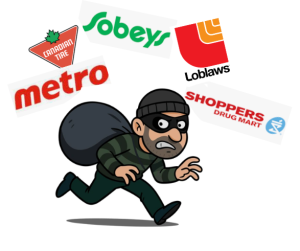
Stores like Loblaw and Sobeys use apps and loyalty programs.
1. Loyalty apps
They track what you buy and send personalized offers like discounts on items you often purchase.
2. Digital pricing
Prices can change quickly using computers depending on demand or timing.
3. Online shopping
Stores can see what you click and what you leave in your cart, which can influence offers or pricing.
Important note
In Canada today:
– Personalized discounts are common
– Fully personalized pricing is possible but not clearly widespread
One-sentence takeaway
Surveillance pricing is when stores use your shopping data to decide what you should pay—sometimes giving discounts, but possibly charging more if they think you won’t notice.
_______________