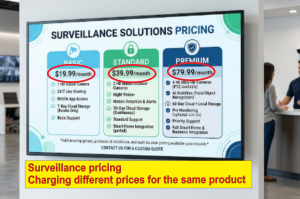
- Surveillance pricing is when a store spies on your digital habits to decide how much to charge you personally.
- Unlike a normal sale, the price changes based on who you are and how much the store thinks you can afford to pay.
- Companies look at things like what you’ve bought before, where you live, and if you are using an expensive phone or computer.
- If the computer “guesses” you have more money or are in a hurry, it may show you a higher price than someone else.
The Dangers While Shopping
- Personal Overcharging: You might be charged more simply because the store knows you are a loyal customer who doesn’t like to shop around.
- Hidden Prices: It’s hard to know if you’re getting a fair deal when the price changes every time you look at the screen.
- Taking Advantage of You: If the store senses you are in a rush to buy something—like a last-minute gift or a broken appliance—it may artificially raise the price.
- Constant Tracking: To do this, stores follow your “digital footprints” across the internet to build a profile of your spending habits.
How to Defend Against It
- Use “Private” Browsing: Most internet programs have a “Private” or “Incognito” mode that hides your past searches from the store.
- Clean Your Digital Folders: Regularly clearing your “cookies” and “cache” in your settings makes you look like a brand-new customer to the store.
- Check Prices on Two Devices: Look at the item on your computer, then check it on your phone; the prices are often different.
- Don’t Sign In Too Early: Wait until you are actually ready to pay before logging into your store account, so they can’t track you while you browse.
- Shop Around: Check a few different websites for the same item to see which one is giving you the “real” price.
- Ask a Friend: Ask someone in a different house to check the price of the same item on their computer to see if it matches yours.